
Shower-To-Tub Conversion Services For Functional Family Bathrooms
Many modern homes were built with stand-alone shower stalls instead of bathtubs. While showers are convenient for everyday use, some homeowners eventually realize they miss having a bathtub.
Families with young children, homeowners who enjoy relaxing baths, or those preparing a home for resale often choose to install a bathtub where a shower once existed.
A shower-to-tub conversion allows homeowners to transform an existing shower space into a fully functional bathtub area without performing a complete bathroom renovation. This type of project replaces the shower stall with a bathtub system designed to fit within the existing footprint of the bathroom.
Because the surrounding layout often remains unchanged, many conversions can be completed efficiently while still providing a dramatic improvement in functionality and comfort.
With the right bathtub style, wall surround system, and professional installation, a shower-to-tub conversion can restore the flexibility and convenience many homeowners want in their bathroom.
Shower-To-Tub Conversion
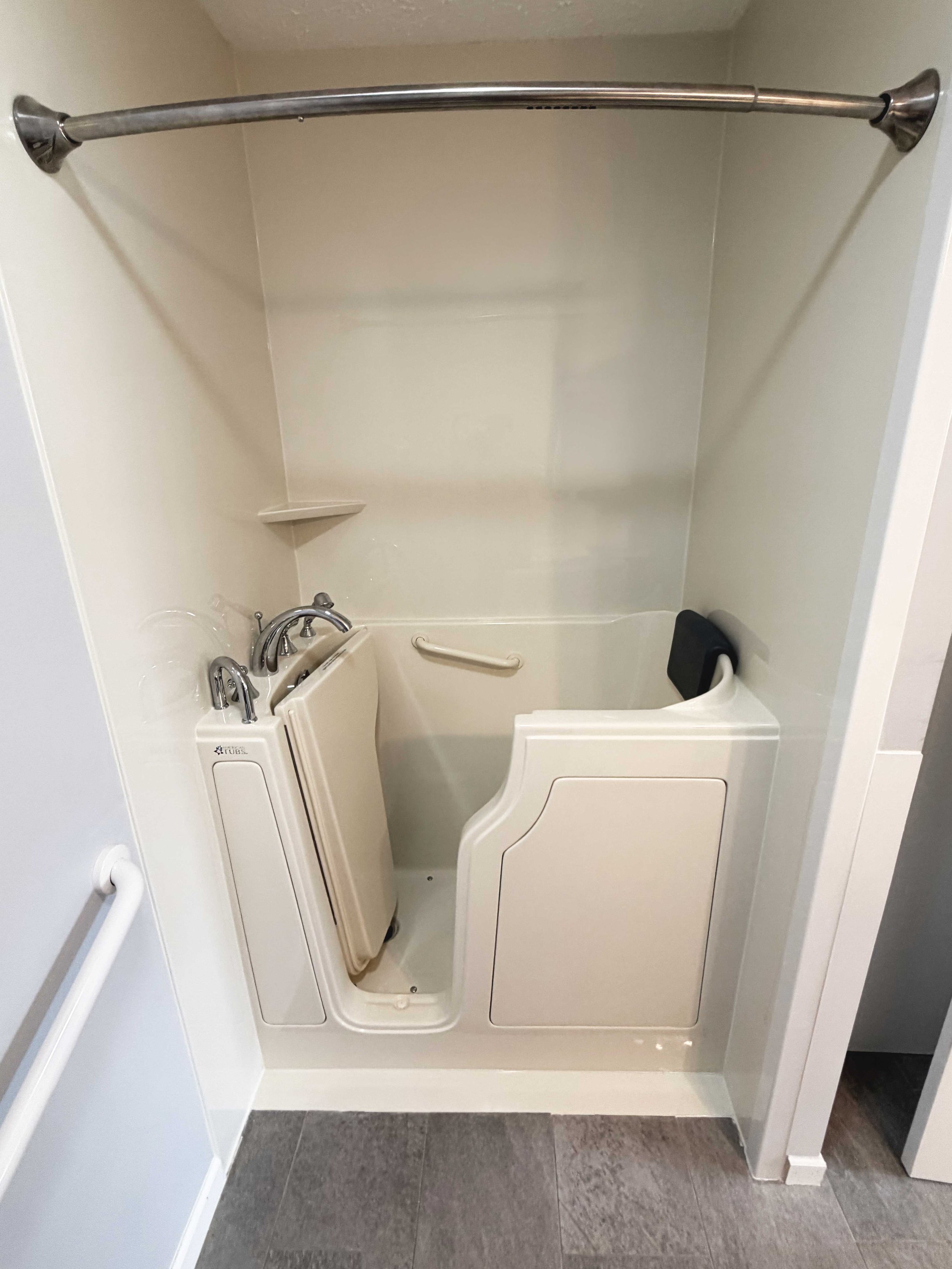
Why Homeowners Convert Showers Into Bathtubs
Although walk-in showers have become very popular in modern bathrooms, there are many situations where adding a bathtub is the better choice.
Homeowners commonly convert showers into bathtubs for several practical reasons.
Bathing Children
Families with young children often prefer bathtubs because they provide a safer and more convenient way to bathe kids.
Shower stalls can be difficult to use when bathing toddlers or infants. A bathtub makes it easier to manage bath time and provides a comfortable space for children to sit while being washed.
For growing families, having at least one bathtub in the home is often essential.
Relaxation And Wellness
Many homeowners enjoy soaking in warm baths as a way to relax after long days.
Warm baths can help relieve:
• muscle soreness
• joint stiffness
• stress and fatigue
• circulation issues
A soaking bathtub creates a calming environment that supports physical relaxation and mental well-being.
Increasing Home Resale Value
Real estate professionals often recommend that homes include at least one bathtub.
Many homebuyers, especially families, prefer homes that include a bathtub for bathing children.
If a house contains only showers, installing a bathtub can make the property more attractive to potential buyers.
Expanding Bathroom Functionality
Bathtubs provide more versatility than showers alone. They allow homeowners to choose between bathing and showering depending on their needs.
Installing a tub-and-shower combination gives homeowners the best of both options.
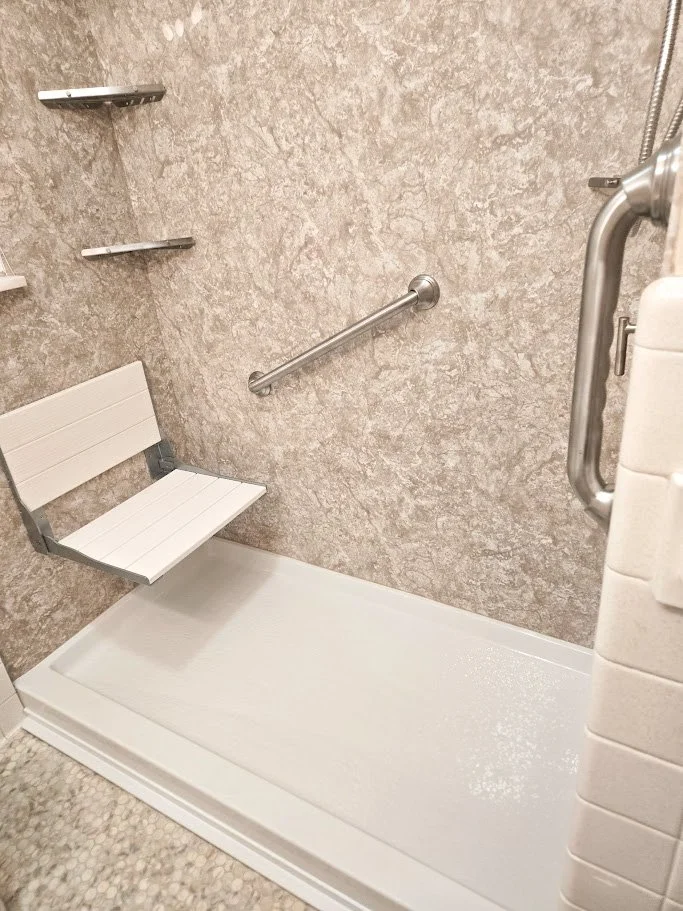
Standard Alcove Bathtubs
Alcove bathtubs are the most common option used for shower-to-tub conversions.
These bathtubs are installed between three walls, which makes them ideal for replacing existing shower stalls.
Benefits include:
• efficient use of space
• compatibility with existing plumbing layouts
• wide availability of sizes and styles
Many alcove tubs are designed to support both bathing and showering.
Types Of Bathtubs For Shower-To-Tub Conversions
When converting a shower into a bathtub, homeowners can choose from several bathtub styles depending on their needs and bathroom layout.
Deep Soaking Bathtubs
For homeowners who prioritize comfort and relaxation, deep soaking tubs provide a luxurious bathing experience.
These tubs are designed with increased depth that allows bathers to fully immerse themselves in warm water.
Soaking tubs are often chosen for master bathrooms or spa-inspired designs.
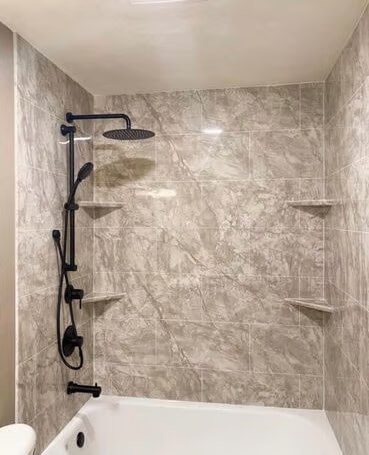
Tub And Shower Combination Systems
Many shower-to-tub conversions incorporate a combination system that includes both a bathtub and shower fixtures.
This allows homeowners to enjoy the convenience of a shower while maintaining the option of soaking baths.
Combination systems typically include:
• shower head and faucet fixtures
• waterproof wall surrounds
• slip-resistant tub flooring
• glass doors or shower curtains
These systems are especially practical for family bathrooms.
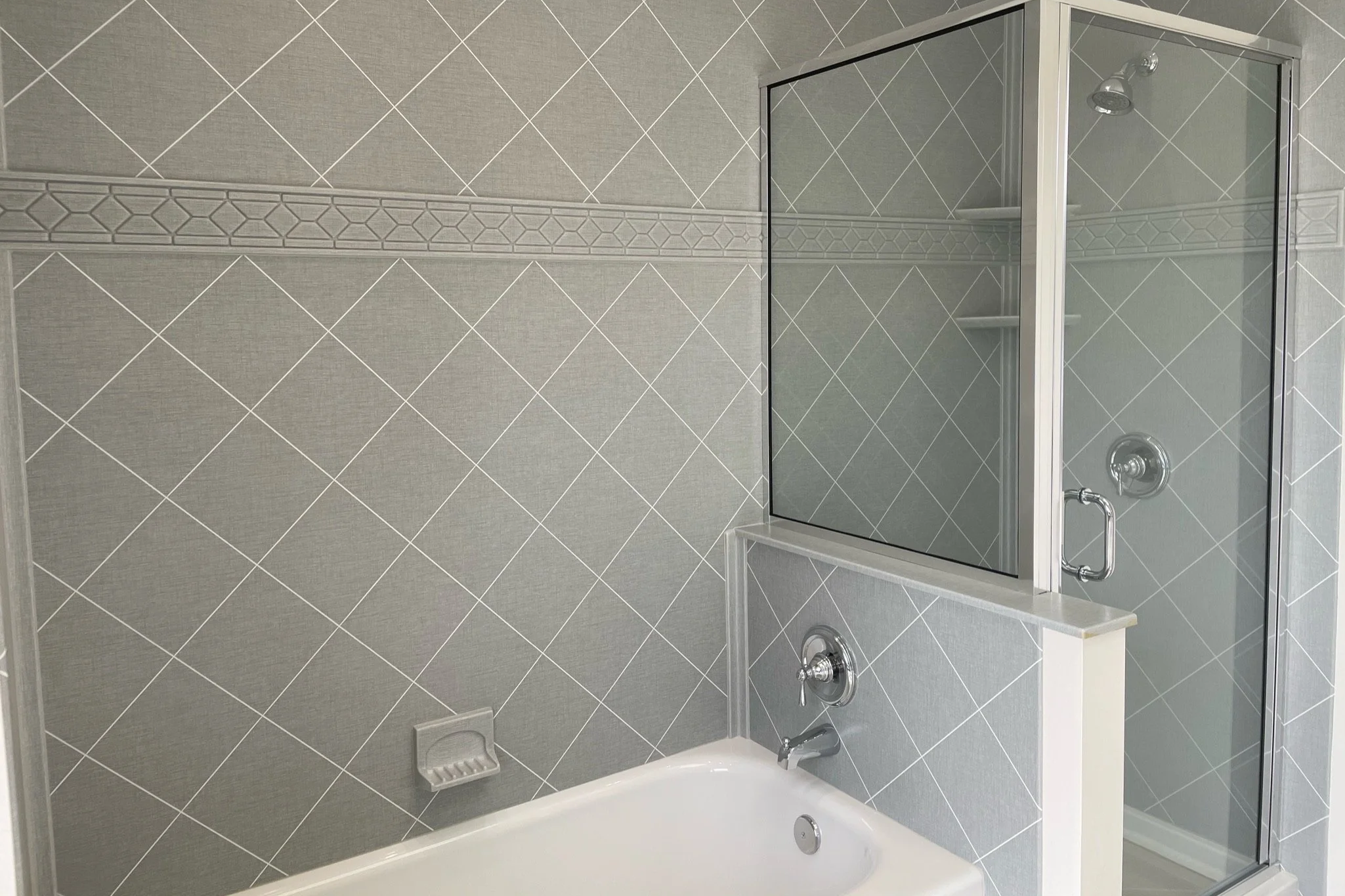
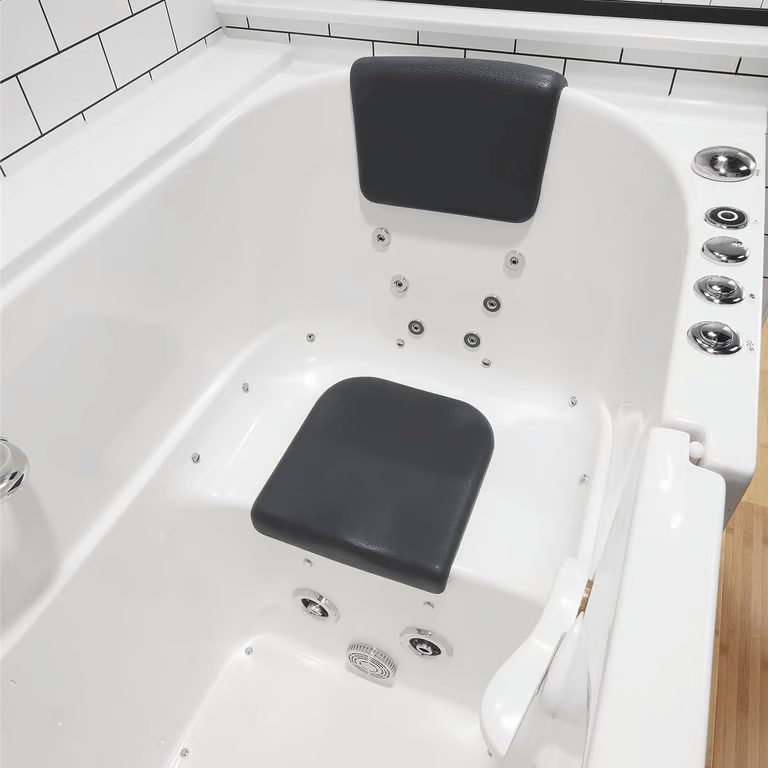
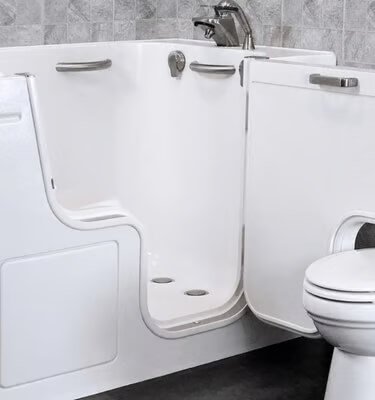
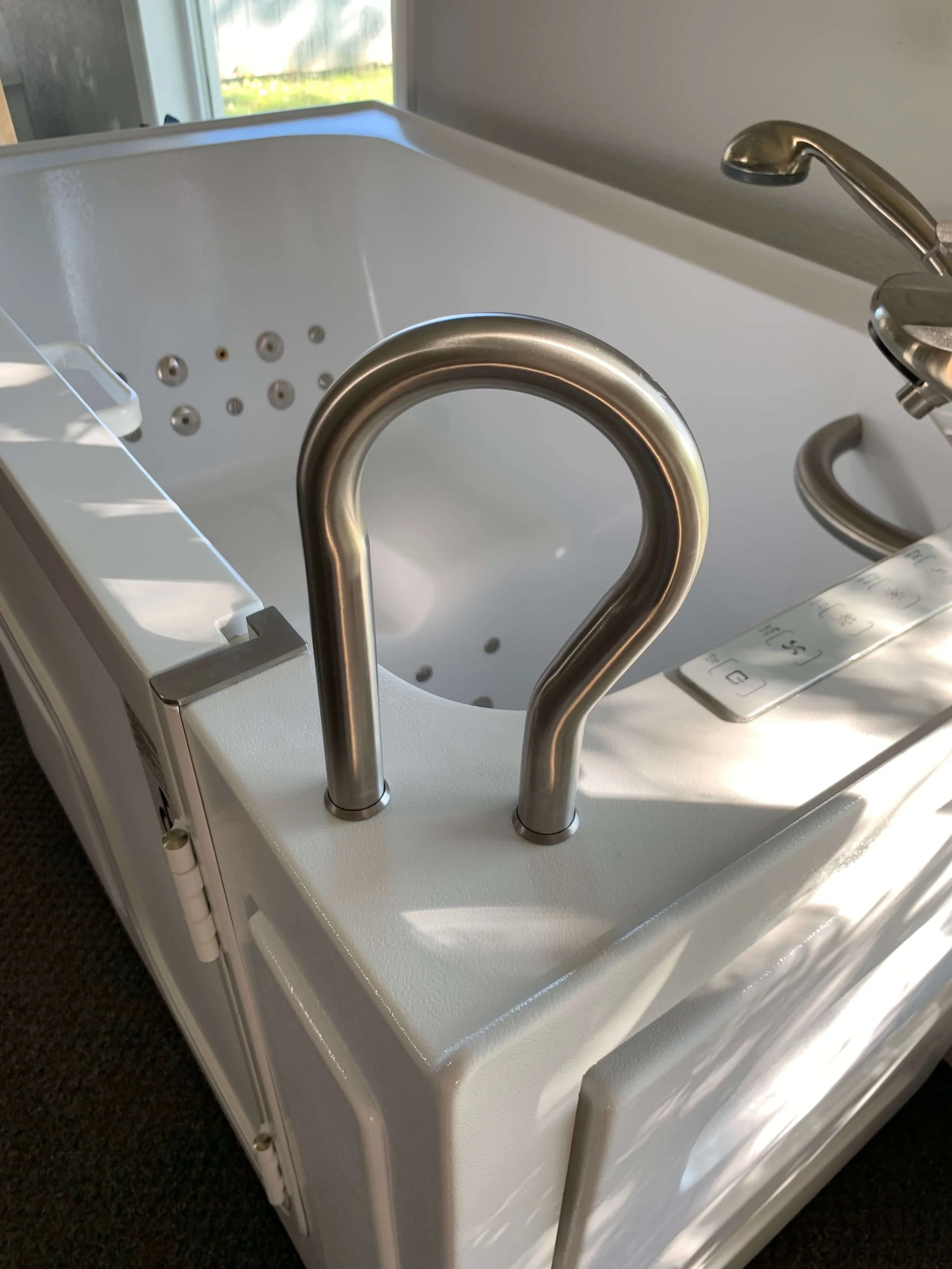
Walk-In Bathtubs
In some cases, homeowners may choose to install a walk-in tub during a shower-to-tub conversion.
Walk-in tubs are designed for accessibility and provide features such as:
• low-threshold entry doors
• built-in seating
• slip-resistant flooring
• grab bars for stability
These tubs are often recommended for seniors or homeowners planning to age in place.
Design Options For Shower-To-Tub Conversions
One of the most exciting aspects of converting a shower into a bathtub is the ability to redesign the bath area.
Modern bath systems offer many customization options.
Wall Surround Systems
Wall surrounds protect the surrounding walls from water damage while enhancing the appearance of the bathtub area.
Popular surround designs include:
• marble-look panels
• stone-pattern finishes
• tile-pattern surrounds
• smooth contemporary surfaces
These panels are typically made from durable acrylic or composite materials that resist mold and mildew.
Unlike traditional tile installations, wall surrounds require minimal maintenance because they contain fewer seams and no grout lines.
Built-In Storage Features
Modern bathtub systems can include built-in storage solutions designed to keep bath products organized.
These features may include:
• recessed storage niches
• corner shelves
• soap dishes
• towel hooks
Integrated storage improves both convenience and aesthetics.
Glass Enclosures And Shower Curtains
If the bathtub will also function as a shower, homeowners can choose between several enclosure options.
Common choices include:
• sliding glass doors
• frameless glass panels
• pivot shower doors
• decorative shower curtains
Glass enclosures create a sleek, modern appearance that helps the bathroom feel larger and more open.
Safety Enhancements
Safety features can be incorporated into the bathtub design to reduce the risk of slips and falls.
These may include:
• slip-resistant flooring
• grab bars
• textured tub surfaces
• ergonomic tub shapes
These upgrades are especially valuable for households with children or older adults.
Cost Of Shower-To-Tub Conversions
The cost of converting a shower into a bathtub can vary depending on several factors.
Typical shower-to-tub conversion projects range between:
$4,000 – $9,000
Several factors influence the total cost.
These include:
• bathtub style and material
• wall surround systems
• plumbing modifications
• glass door systems
• installation complexity
Although prices vary, shower-to-tub conversions are usually more affordable than complete bathroom remodels.
Many contractors also offer financing options that allow homeowners to spread payments over time.
Shower-To-Tub Conversion Process
Converting a shower into a bathtub requires careful planning and professional installation.
The process typically includes several stages.
Initial Consultation And Bathroom Assessment
The conversion process begins with a consultation where the existing bathroom layout is evaluated.
During this stage, installers examine:
• available space
• plumbing configuration
• structural conditions
Measurements are taken to ensure the new bathtub fits perfectly within the shower area.
Fixture Installation
Faucets, shower heads, and other fixtures are installed as part of the conversion.
These fixtures are tested to ensure proper water flow and temperature control.
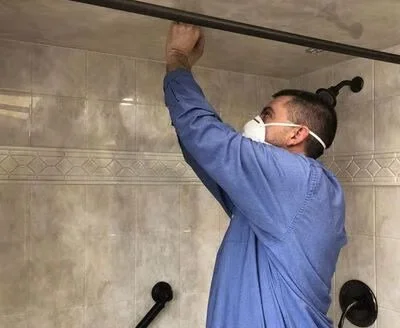
Removal Of Existing Shower Stall
The existing shower enclosure, base, and wall materials are carefully removed.
This step prepares the area for the new bathtub installation.
Professionals take care to protect surrounding surfaces and minimize disruption.
Bathtub Installation
Once the plumbing is prepared, the new bathtub is installed and secured.
The tub is leveled and connected to the plumbing system.
Wall surrounds or waterproof panels are then installed around the tub to protect the surrounding walls.
Plumbing Preparation
In many cases, the plumbing system must be modified to accommodate the new bathtub.
This may involve adjusting:
• drain locations
• water supply lines
• faucet fixtures
Proper plumbing installation ensures reliable performance and prevents leaks.
Final Inspection And Cleanup
The installation team performs a final inspection to confirm that the bathtub is properly sealed and functioning correctly.
The workspace is cleaned, and the homeowner is shown how to maintain the new bath system.
Benefits Of Shower-To-Tub Conversions
Converting a shower into a bathtub provides several long-term advantages.
Greater Bathroom Flexibility
Adding a bathtub allows homeowners to choose between showers and baths depending on their needs.
Higher Resale Appeal
Homes with at least one bathtub often appeal to a wider range of buyers.
This can make the property more competitive in the housing market.
Better Family Functionality
Families with children often find bathtubs far more practical for daily routines.
Improved Comfort
Bathtubs create a relaxing bathing experience that showers cannot provide
Why Professional Installation Is Important
Bathroom conversions involve plumbing work, waterproofing systems, and structural considerations.
Professional installers ensure:
• correct plumbing connections
• proper drainage
• watertight sealing
• safe installation practices
Improper installation can lead to water leaks, structural damage, or mold problems.
Working with experienced professionals ensures the conversion is completed safely and correctly.
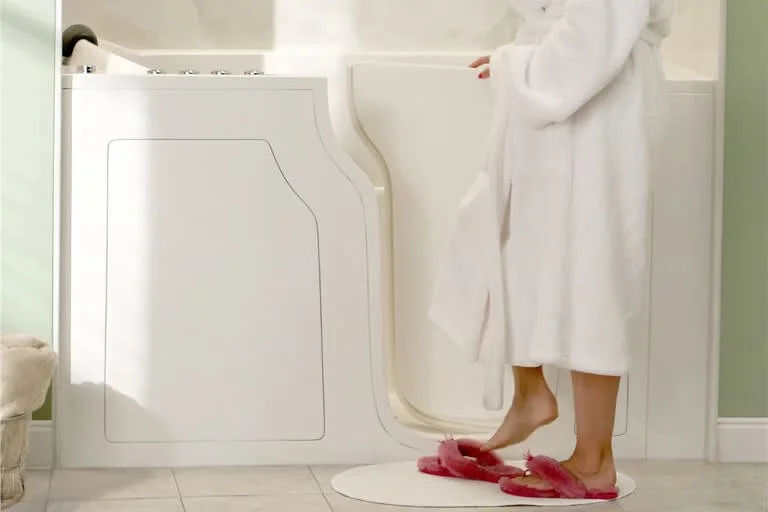
Transform Your Bathroom With A New Bathtub
If your bathroom currently has only a shower, installing a bathtub can dramatically improve the versatility and comfort of the space.
A professionally installed shower-to-tub conversion allows homeowners to enjoy the relaxing benefits of bathing while maintaining the convenience of modern fixtures and durable materials.
With customizable designs, professional installation, and long-lasting materials, converting a shower into a bathtub is one of the most practical upgrades for many homes.
Frequently Asked Questions
-
Most shower-to-tub conversions can be completed in one to two days, depending on the complexity of the plumbing and the materials chosen. The process typically involves removing the existing shower stall, preparing plumbing connections, installing the bathtub, and finishing the wall surrounds.
-
Homeowners often convert a shower into a bathtub for several reasons. Families with young children find bathtubs more practical for bathing, while others prefer soaking baths for relaxation and muscle relief. In addition, homes with at least one bathtub often appeal to more buyers, which can improve resale value.
-
Several bathtub styles can work for a shower-to-tub conversion, depending on the available space and homeowner preferences. Common options include standard alcove bathtubs, deep soaking tubs, and tub-shower combination units that allow both bathing and showering functionality.
-
The cost of a shower-to-tub conversion typically ranges between $4,000 and $9,000. Final pricing depends on the type of bathtub selected, any plumbing modifications required, wall surround materials, and optional accessories such as fixtures or shelving.
-
Yes. Many homeowners choose a tub-shower combination, which includes a showerhead and fixtures above the bathtub. This setup allows the space to function as both a shower and a bath, offering flexibility for different household needs.
-
In many markets, homes that include at least one bathtub tend to attract a broader range of buyers, particularly families with children. Because of this, adding a bathtub through a conversion can help maintain or potentially increase resale appeal.
Ready To Convert Your Shower To A Tub?
Turn your existing shower into a comfortable, easy-to-access tub designed for relaxation, safety, and everyday use. Schedule your free design consultation today and see how quickly Toledo New Bath can transform your space with a seamless, one-day conversion.